
 (excl. BMX)
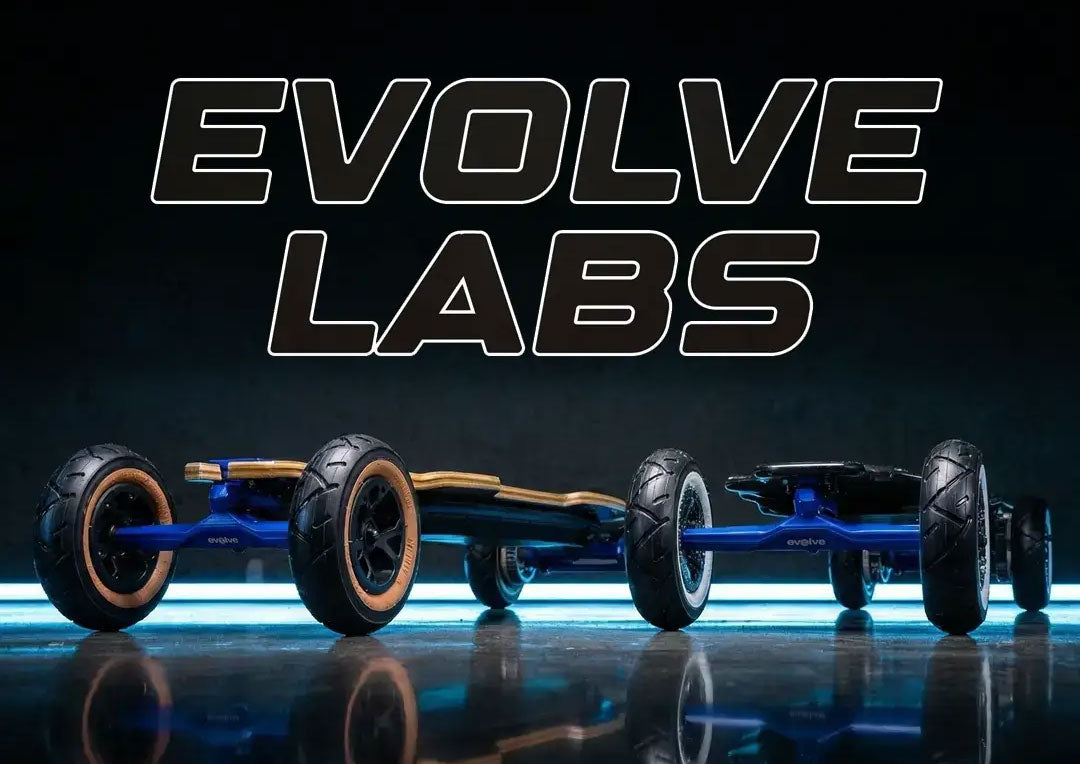
Electric skateboard vs electric bike: which should you buy?
Electric skateboard vs electric bike: which should you buy in Australia?
For most Australian commuters and recreational riders, an electric skateboard is the more portable, practical and cost-effective choice over an electric bike, particularly for sealed urban routes where you need to carry it inside at the other end. The right answer still depends on your distance, terrain and what you do when you get there. Here is a clear breakdown of both options.
The real difference comes down to what happens off the board
Most comparisons focus on speed and range. But the more telling difference is everything around the ride itself. An electric bike weighs between 20 and 30 kg, needs a rack or dedicated parking and stays outside while you work. An electric skateboard slides under your desk, fits in a locker and boards a train without a second thought.
That portability shapes the whole commute, not just the riding portion of it.
Where electric bikes have the advantage
E-bikes are the stronger option when distance is the priority. If you are covering more than 20 km each way, want the option to pedal when the battery fades, or carry cargo regularly, an e-bike is a more practical fit. They are also more accessible for riders who have no prior board sport experience or who prefer the stability of a seated position.
For long dedicated bike lanes, child seats or panniers, an e-bike makes sense. It is a different tool built for a different job.
Where an electric skateboard wins
For shorter urban commutes, the electric skateboard is hard to match on portability, storage and total cost of ownership. There is no locking up outside, no worrying about theft overnight and no designated parking required. It pairs naturally with public transport.
The riding experience is also fundamentally different. A well-set-up e-skate flows through corners, responds to body weight and delivers a surf carve sensation that a bike simply cannot replicate. For anyone who already skates, surfs or snowboards, the learning curve is short and the payoff is immediate.
Why the GTR Bamboo All Terrain suits this comparison
The GTR Bamboo All Terrain is the most practical starting point for riders considering the switch from an e-bike, because it handles the mixed terrain that Australian cities actually deliver. Sealed paths, gravel car parks, grass verges and cracked footpaths are all manageable on the 7-inch pneumatic tyres.
- Top speed: 38 km/h on all-terrain tyres
- Range: up to 30 km on AT wheels
- Hill gradient: 25% or better
- Weight: 12.1 kg
- Max load: 100 kg
- Battery: 504Wh with travel battery option
The 3-ply bamboo deck absorbs vibration from rough surfaces. Paired with pneumatic tyres, it makes urban riding noticeably more comfortable than hard-wheel street setups. For commuters navigating older footpaths or mixed terrain gaps between bike lanes, that compliance matters.
Full tuning is available through the Explore app. New riders can start in ECO mode and gradually build into SPORT or GTR mode as their confidence develops.
How it performs across Australian cities
Sydney riders deal with short, steep suburban climbs and frequent surface changes between footpaths and road shoulders. The 25% gradient rating covers most of what the inner west and northern suburbs throw at you, and the AT tyres handle transitions between surfaces without drama.
Melbourne has long flat stretches and some of the country's best separated cycling infrastructure. Along the Yarra paths or the St Kilda Road trail, the GTR holds a smooth, comfortable pace. The sealed sections also work well if you choose to add street wheels later through a conversion kit.
Brisbane riders contend with heat, riverside paths and hillier suburban terrain. The bamboo deck and all-terrain setup handle grass and gravel sections without requiring a detour, and the ride stays comfortable in warmer months.
Perth's wide coastal paths and Swan River routes suit longer, consistent riding. The 30 km AT range goes further on open sealed paths than it does in stop-start city riding. On the Gold Coast, beachside paths, bike lanes and coastal car parks make for natural GTR territory.
Cost comparison
Entry-level e-bikes from reputable brands typically start around $2,500 to $3,000 AUD, with quality mid-drive options sitting at $4,000 and above. Servicing, tyre replacements, brake work and chain maintenance add up over time.
The GTR Bamboo All Terrain is priced at $1,899 AUD. Replacement belts, wheels and tyres are straightforward and cost a fraction of regular bike servicing. There are no chain, derailleur or brake cable costs to factor in.
Evolve backs the board with a 12-month warranty and a 14-day money-back guarantee. Financing options are also available.
When an e-bike is still the right call
An electric bike is the better choice if your commute exceeds 25 km one way, you regularly carry significant cargo, or you have no prior board sport experience and prefer seated stability. It is also worth noting that local regulations on electric skateboards vary across Australian states and councils. Checking the rules for your specific area before purchasing any personal electric vehicle is advisable.
Watch the GTR Bamboo All Terrain in action
See how the GTR Bamboo handles real terrain before you decide:
People also ask
Is an electric skateboard practical for commuting in Australia?
For commutes under 20 km on mostly sealed terrain, yes. The GTR Bamboo All Terrain offers up to 30 km of range on all-terrain tyres, weighs 12.1 kg and fits easily onto public transport or under a desk at the other end.
Are electric skateboards legal in Australia?
Laws vary by state and territory, and regulations are still evolving. Rules differ between public roads, footpaths and shared paths. Check with your local road authority for current rules before riding on public infrastructure.
How does the GTR Bamboo All Terrain compare to an e-bike for hill climbing?
The GTR Bamboo All Terrain handles gradients of 25% or more, which covers most residential hills in Australian cities. Steeper or longer climbs will reduce range, but for typical suburban terrain the hill performance is more than adequate.
Can I take an electric skateboard on public transport?
In most cases, yes. Electric skateboards are compact enough to carry onto trains and buses where personal items are permitted. Unlike e-bikes, they do not require a designated space. Always confirm the rules with your specific transport provider.
What if I want both street and off-road capability?
The GTR Bamboo 2-in-1 includes both street and all-terrain wheel sets so you can swap between setups as needed. Alternatively, you can start with the GTR Bamboo All Terrain and add a street conversion kit later when you want faster sealed-surface performance.
Where can I buy an Evolve board in Australia?
Evolve has a flagship store in Mermaid Waters, QLD, and ships online to customers across Australia. The store is worth a visit if you want to see the boards in person and get advice from riders who know the full lineup.
Final answer
If your commute is under 20 km, you want something portable enough to carry inside and you value the feel of a real carve over a seated ride, the GTR Bamboo All Terrain is the more practical, enjoyable and cost-effective choice for most urban riders. Choose an e-bike if distance, cargo capacity or seated stability are non-negotiable for your situation.
-
Posted in
electric skateboard, evolve
