
 (excl. BMX)
Can an electric skateboard replace a second car?

Can an electric skateboard replace a second car?
For a lot of households, the second car exists for one reason: short trips. The school run, the commute, the coffee shop, the train station. If those trips are mostly under 15 km, mostly on sealed roads and mostly solo, then yes, an electric skateboard can genuinely replace that second car. Not as a compromise, but as a better tool for the job.
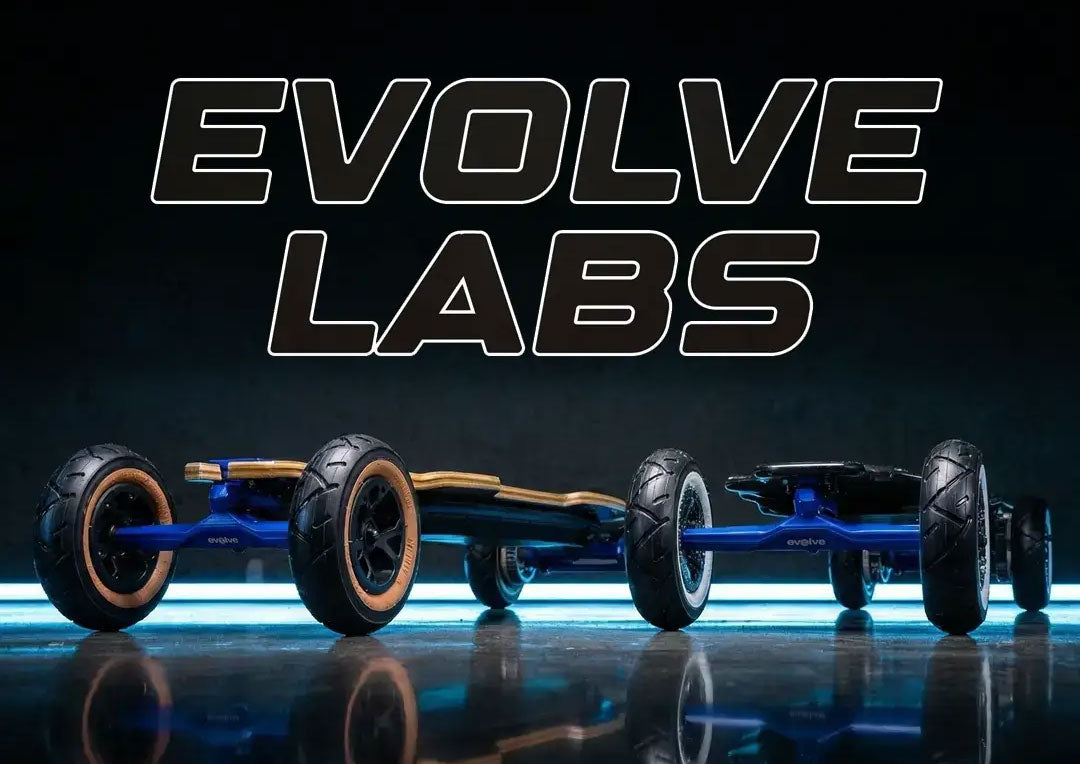
The board that makes this argument most convincingly is the Fusion Street. It covers up to 60 km on a charge, handles hills above 35%, weighs 12.5 kg and takes four hours to charge overnight. That is a daily commuter setup, not a weekend toy.
What the second car actually does
Think about the last week your household used the second car. If it was mostly short errands, point-to-point commuting or getting to public transport, that usage pattern maps almost perfectly onto what a board like the Fusion does well. It is not built for road trips or carrying four people. It is built for exactly the kind of trip where sitting in traffic or hunting for a park costs more time than it saves.
Running costs tell a similar story. Registration, insurance, depreciation and fuel on a second car add up fast. An electric skateboard has none of those ongoing costs. Charging the Fusion costs a fraction of a cent per kilometre.
Where the Fusion holds its own
The Fusion Street runs dual 3000W motors through the EFOC 2.0 controller, which means smooth, predictable power delivery rather than the jerky throttle response you get from cheaper setups. On flat suburban streets, that translates to a confident, relaxed ride. On hills, the 35%+ gradient capability means most Australian suburban terrain is well within range.
The 648Wh Samsung 50S battery is the detail that makes daily use practical. Up to 60 km of real-world range means most riders can do a full week of commuting without thinking about charging. The board also comes with a fast charger, so a four-hour overnight top-up is all it needs.
At 12.5 kg, the Fusion sits in a useful middle ground. Light enough to carry into a building or onto a train, substantial enough to feel planted at 40 to 50 km/h. The 96 cm bamboo deck provides a comfortable footprint, and the SuperCarve 2.0 trucks give the board a carvy, intuitive feel at speed.
The honest limitations
There are genuine reasons a board cannot fully replace every car trip. Rain is the obvious one. The Fusion, like all Evolve boards, is not waterproof and should not be ridden in wet conditions. If your commute involves exposure to heavy weather, you need a backup plan.
Cargo is another. A backpack works fine. Anything bigger and you are pushing it. If you regularly need to carry tools, groceries for a family or bulky equipment, a car is still the right call for those trips.
The argument is not that a board replaces every car trip. It is that, for a household running a second car mostly for short solo trips on dry days, the overlap is significant enough to reconsider.
How this plays out in Australian cities
The geography of Australian cities matters here. Sydney's dense inner suburbs, coastal paths and growing network of protected bike lanes are well suited to a daily board commute. Melbourne's flat grid and long separated paths along the Yarra and Port Phillip Bay make it one of the more board-friendly cities in the country. Brisbane's river trails and Southeast Queensland's year-round dry season mean more riding days than most cities worldwide.
Perth's wide roads and relatively flat terrain suit longer point-to-point rides, and the Gold Coast's coastal strip, with its long sealed shared paths, is arguably the ideal environment for a setup like the Fusion. For riders in the Gold Coast area, Evolve's store at Mermaid Waters is worth visiting to see the board in person before committing.
The practical setup for daily use
If you are going to use a board as a genuine commuter, a few things make daily life easier. A quality helmet and protective gear are non-negotiable. A good backpack or chest strap keeps your hands free. The Evolve Explore app gives you ride tracking, battery status and the ability to adjust power and braking curves to match your riding style, which matters if you are covering the same route every day and want it dialled in.
The Fusion also supports a conversion kit to all terrain wheels if your route includes anything less than perfect asphalt. For mostly sealed commutes, the standard 97mm street wheels are the right choice. They roll faster, charge further and make the board more responsive on smooth surfaces.
Is it actually worth it?
The numbers tend to work out in favour of the board when you account for total cost of ownership. A second car costs thousands per year before you turn the key. The Fusion Street is a once-off purchase, and the ongoing cost is negligible. If the second car is covering 5,000 km a year in short urban trips, most of those trips are candidates for a board instead.
The less quantifiable part is that most people who make the switch enjoy it more than commuting by car. There is something about arriving at work having carved through morning light rather than sitting in traffic that changes how the day starts. That is not marketing language. It is what riders consistently report.
If you are sitting on the fence, the question to ask is simple: what percentage of your second car's trips are short, dry and solo? If the answer is most of them, the Fusion Street is worth a serious look.
-
Posted in
electric skateboard, evolve
